
High Pressure Hydro Test Pump Systems Explained
You cannot afford leaks, failures, or weak joints in industrial systems – especially when safety and compliance are on the line. Yet many teams still struggle to fully understand how testing actually works behind the scenes. If you have ever wondered how systems are tested before they go live, this breakdown will walk you through it clearly, without unnecessary complexity.
What Actually Happens Inside These Systems
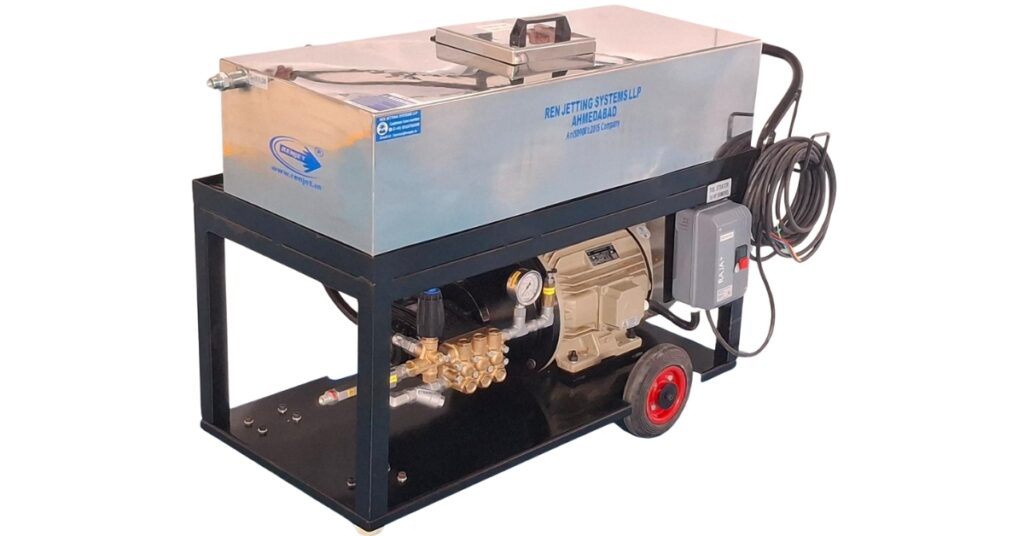
Before getting into technical details, it is important to see how all elements function together within a hydro test pump system. It is not simply about forcing water into a pipeline. The entire setup is designed to recreate real operating conditions in a controlled and safe manner, ensuring accurate results without risking damage.
Pressure build-up mechanism
At the core of the system is the pump, which gradually increases the pressure of the testing fluid. This rise is controlled and steady, allowing the system to reach a specific target level defined by testing standards. The aim is to match or slightly exceed actual working pressure so that any weakness can be identified early.
Role of the testing fluid
Water is the preferred medium because it does not compress easily and is far safer compared to gases. The system is carefully filled to eliminate any trapped air, as even small air pockets can distort readings and create safety concerns during high-pressure testing.
Real-time pressure tracking
Monitoring plays a crucial role throughout the process. Gauges and sensors continuously display pressure levels, helping operators observe stability. If there is even a slight drop, it can signal leaks, material defects, or joint failures that need attention.
Built-in safety controls
Safety is integrated into every stage of the process. Relief valves and pressure control systems act as safeguards, automatically releasing excess pressure if limits are exceeded. This ensures that both the equipment and the operator remain protected during testing.
Step-By-Step Working Process
Understanding the sequence makes it easier to see how reliable results are achieved.
Step 1: Filling the system
The pipeline or component is filled completely with water. Air is removed through vents to avoid false readings.
Step 2: Initial pressurisation
The pump begins to increase pressure slowly. This phase ensures the system stabilises without sudden stress.
Step 3: Reaching test pressure
The pressure is increased to the required level, often higher than normal operating pressure. This is where the strength of the system is truly evaluated.
Step 4: Holding phase
Pressure is maintained for a fixed duration. During this time, technicians observe any pressure drop or visible leaks.
Step 5: Inspection and evaluation
All joints, welds, and surfaces are inspected. Even minor leaks are noted for correction.
Step 6: Depressurisation
Pressure is released gradually to avoid sudden shocks to the system.
If you are setting up testing workflows, RENJET can help you design systems that align with your operational needs without overcomplicating the process.
Key Components Involved
Each part works together to deliver stable pressure, accurate readings, and safe operation. Even a small fault in one component can affect the entire testing outcome.
Pump unit
This is the driving force of the system. It converts mechanical or pneumatic energy into hydraulic pressure. Depending on the application, it can be:
- Manual pumps for low-volume or on-site testing where portability matters
- Electric pumps for consistent and repeatable pressure generation
- Pneumatic pumps for hazardous environments where electrical sparks must be avoided
The pump is designed to gradually build pressure, not spike it. This controlled increase helps prevent sudden stress on the test object and ensures reliable results.
Pressure Gauges
Pressure gauges act as the eyes of the system. They continuously display the pressure level, allowing operators to monitor stability during the test.
Modern setups may include digital gauges with higher accuracy and data logging capabilities. In critical applications, dual gauges are used to cross-check readings and eliminate errors. Proper calibration is essential, as even slight inaccuracies can lead to incorrect conclusions.
4. Control Valves
Control valves manage how fluid flows through the system. They allow operators to:
- Start or stop the flow
- Adjust pressure levels
- Isolate sections during testing
Needle valves are often used for fine control, while ball valves are used for quick shut-off. These valves play a major role in maintaining smooth pressure transitions and preventing sudden fluctuations.
5. Hoses And Connectors
These components form the connection between the pump and the test object. Since they handle high-pressure fluid, their quality is critical.
They are typically made from reinforced materials to withstand extreme conditions. Poor-quality hoses can expand, leak, or even burst under pressure, which not only affects accuracy but also poses safety risks.
Secure fittings and proper sealing ensure that there is no pressure loss during testing.
5. Reservoir Tank
The reservoir stores the testing fluid, usually water. It ensures a continuous and uninterrupted supply to the pump.
A well-designed tank includes features like:
- Filters to prevent debris from entering the system
- Adequate capacity to match the testing requirement
- Easy refill and drainage options
Maintaining clean fluid in the reservoir is important, as contaminants can damage internal components and affect performance.
Types of Hydro Test Pump Systems Used Across Industries
Different industries operate under different pressure ranges, safety requirements, and testing frequencies. That is why multiple system types are available, each designed for specific use cases.
Manual Systems
Manual systems are simple and reliable. They are operated using a hand lever or piston mechanism.
These are best suited for:
- Small pipelines or components
- Field testing where power sources are unavailable
- Situations requiring portability
While they are cost-effective, they require physical effort and may not be suitable for prolonged or high-pressure testing.
Electric Systems
Electric systems use motor-driven pumps to generate pressure. They are widely used in industrial environments due to their efficiency and consistency.
Key advantages include:
- Stable pressure output
- Reduced manual effort
- Ability to handle higher pressure ranges
These systems are ideal for repetitive testing and large-scale operations where precision and speed are important.
Pneumatic Systems
Pneumatic systems operate using compressed air. They are commonly used in environments where electrical equipment may pose a risk, such as oil and gas facilities.
Their benefits include:
- Safe operation in explosive or hazardous areas
- Compact design
- Easy integration with existing air supply systems
However, they require a reliable compressed air source to function effectively.
Skid-Mounted Systems
Skid-mounted systems are fully integrated units designed for heavy-duty industrial applications. All components – pump, valves, gauges, and reservoir – are mounted on a single frame.
These systems are preferred for:
- Large-scale pipeline testing
- Continuous industrial operations
- Situations requiring mobility within a facility
They offer a plug-and-play setup, reducing installation time and improving operational efficiency.
Where High Pressure Hydro Test Pump Systems Are Commonly Used
These systems are widely adopted across industries that rely on pipeline integrity and component strength.
- Oil and gas pipelines
- Chemical processing plants
- Power generation facilities
- Boiler and pressure vessel testing
- Manufacturing units
In these applications, a high pressure testing pump ensures that systems can handle operational stress without failure.
Why Testing Accuracy Matters
Small inaccuracies can lead to major failures later. That is why precision is critical.
A reliable setup ensures:
- Early detection of leaks
- Improved system lifespan
- Reduced maintenance costs
- Compliance with safety standards
Using the right pressure testing equipment ensures consistent results and minimises risk during operations.
Maintenance Tips for Long-Term Performance
Regular upkeep ensures consistent performance.
- Inspect hoses and connections regularly
- Check for leaks before each use
- Calibrate gauges periodically
- Clean the system after testing
- Replace worn-out components on time
Well-maintained industrial test systems not only last longer but also deliver more accurate results.
Conclusion
Pressure testing is not just a technical step, it is a critical safety measure that prevents costly failures. From understanding how pressure is generated to choosing the right setup, every detail matters when working with a hydro test pump system.
If you want a clearer understanding of how these systems work in real scenarios, watching a detailed video demonstration can make things even easier to grasp.