
How Does High Pressure Triplex Plunger Pump Work?
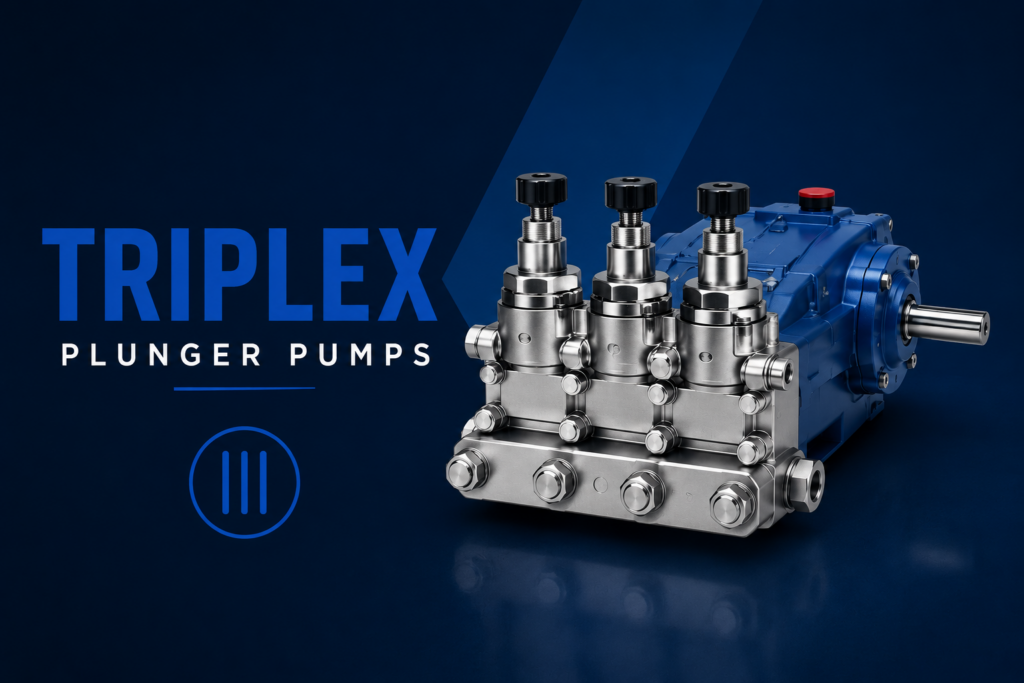
Machines that handle demanding cleaning, jetting, and fluid transfer jobs often fail because pressure flow becomes unstable. That is where the high pressure triplex plunger pump becomes important. Built for consistent output and long operating hours, the high pressure triplex plunger pump is widely used in industries that need controlled liquid movement without pressure loss or uneven flow.
Understanding the Core Operating Process
Before looking at the individual stages, it helps to understand why this pumping method is trusted across different industries. The system is designed to create a steady flow of liquid while reducing vibration and pressure fluctuation. Its synchronized movement allows operators to maintain efficiency even during continuous operation.
Many maintenance teams rely on this mechanism because the triplex plunger pump working process supports smooth pressure generation with lower wear on internal parts. Each moving section contributes to stable liquid transfer, making the equipment suitable for demanding environments.
Step 1 – Power Transfer Begins
The process starts when the motor or engine supplies rotational power to the crankshaft. This rotating motion is then converted into reciprocating movement through connecting rods.
As the shaft rotates, three plungers begin moving back and forth in a synchronized sequence. Since all plungers operate at slightly different timings, the fluid delivery remains balanced instead of pulsing heavily.
This coordinated action is one reason these systems are preferred in operations where pressure consistency matters more than speed alone.
Step 2 – Suction Cycle Pulls Liquid In
Once the plungers begin retracting, low pressure forms inside the fluid chamber. This pressure difference opens the inlet valve automatically.
Liquid then enters the chamber through the suction manifold. During this stage, maintaining clean inlet flow becomes very important because contaminated liquid may damage sealing surfaces or valves over time.
Operators often monitor inlet conditions regularly to avoid cavitation and maintain reliable machine performance during long operating hours.
Step 3 – Compression Takes Place
After the suction chamber fills, the plungers move forward. This forward movement reduces chamber volume and compresses the trapped liquid.
As pressure rises, the inlet valve closes tightly while the discharge valve prepares to open. The liquid is now forced toward the outlet section at extremely high pressure.
This controlled compression method helps the system maintain stable output even when handling demanding industrial cleaning or jetting applications.
Step 4 – High Pressure Discharge Happens
When internal pressure reaches the required level, the discharge valve opens automatically. The compressed liquid exits through the discharge manifold and travels toward the application point.
Because three plungers work sequentially, the flow remains smoother compared to single-cylinder designs. This balanced discharge reduces unnecessary vibration and helps connected equipment perform more efficiently.
Industries that require accurate fluid control often choose this mechanism for continuous-duty operations and precision cleaning tasks.
Step 5 – Continuous Rotation Maintains Flow
The crankshaft continues rotating without interruption, repeating the entire cycle rapidly. Since the plungers operate in sequence, one chamber may be filling while another is compressing and the third is discharging.
This overlapping operation creates a nearly uninterrupted liquid stream. It also reduces sudden pressure drops that may otherwise affect system performance.
Many facilities using industrial plunger pumps appreciate this continuous-cycle approach because it supports long operational hours with dependable output.
Step 6 – Seals and Cooling Support Stability
The plungers move through sealing assemblies that prevent leakage during operation. These seals must remain properly lubricated and cooled to avoid overheating.
Cooling systems help control internal temperature when the machine runs under demanding conditions for extended periods. Proper maintenance of seals, lubrication oil, and packing components directly affects operational life.
This is also where the high pressure triplex plunger pump stands out, as its construction is designed to handle intense pressure conditions while minimizing component fatigue.
5 Reasons Why the Design Performs Efficiently in Tough Conditions
The performance of this pumping mechanism is not only about generating pressure. Its internal arrangement improves reliability, efficiency, and operational balance. Every component works together to reduce stress while maintaining controlled liquid movement.
The combination of synchronized plungers, durable materials, and balanced discharge makes the system useful for several industrial applications ranging from hydro jetting to pipeline cleaning.
Balanced Flow Reduces Pressure Fluctuation
Single-plunger systems often create uneven flow patterns that increase vibration inside pipelines. In comparison, the three-plunger arrangement spreads the workload more evenly.
This smoother operation helps connected nozzles, hoses, and valves perform better over long durations. It also improves safety by minimizing sudden pressure spikes during operation.
Facilities using high pressure pumping systems usually prioritize stable flow because inconsistent pressure can affect cleaning quality and operational precision.
Strong Components Improve Durability
The plungers, crankshaft, bearings, and valves are manufactured using materials designed to tolerate continuous mechanical stress.
Since these systems often work in difficult environments, durability becomes essential. Components must withstand pressure, friction, and exposure to demanding fluids without rapid wear.
Regular inspection still remains necessary, but robust construction significantly improves equipment lifespan when compared to lighter-duty alternatives.
Efficient Cooling Prevents Excessive Heat
Heat buildup can affect pressure stability and damage internal sealing components. That is why cooling arrangements play a major role in operational safety.
Depending on the application, systems may use splash lubrication, external cooling, or oil circulation methods to maintain safe operating temperatures.
Monitoring temperature conditions helps operators identify maintenance issues before they affect overall performance.
Valve Timing Supports Consistent Output
The inlet and discharge valves open automatically based on pressure differences created during plunger movement.
Accurate valve timing ensures liquid enters and exits the chamber efficiently without unnecessary pressure loss. Even small valve issues may reduce performance or create unstable discharge patterns.
Routine valve inspection helps maintain smooth operation and avoids pressure imbalance during demanding tasks.
Proper Maintenance Extends Operational Life
Like any pressure equipment, maintenance directly affects reliability. Operators usually focus on:
- Checking lubrication oil levels
- Inspecting seals for leakage
- Cleaning inlet filters
- Monitoring valve condition
- Examining plunger surfaces
Ignoring these areas may reduce efficiency and increase downtime unexpectedly.
If your operation handles continuous cleaning or fluid transfer work, RENJET recommends creating a scheduled inspection routine rather than waiting for visible performance issues to appear.
4 Common Applications Across Different Industries
These pumping systems are widely used because they handle demanding tasks without major pressure instability. Their ability to maintain controlled discharge makes them useful in multiple sectors.
Surface Cleaning and Hydro Jetting
Factories and industrial plants often use high-pressure water streams to remove deposits, paint, grease, or chemical buildup from equipment surfaces.
Stable pressure output improves cleaning consistency and reduces unnecessary water usage during operation.
Pipeline and Drain Cleaning
Blocked pipelines require controlled pressure to remove internal buildup safely. Consistent fluid movement helps improve cleaning efficiency without damaging the pipe structure.
This controlled action becomes especially useful in maintenance-heavy industrial environments.
Industrial Processing Operations
Several manufacturing facilities depend on pressure-driven liquid transfer during processing and cleaning procedures.
Because the system maintains reliable discharge patterns, it supports uninterrupted production workflows more effectively.
Many industries choose these setups over conventional heavy duty pumps when they require stable pressure delivery combined with continuous operation.
Construction and Mining Tasks
Mining sites and construction environments often expose equipment to rough operating conditions. Durable pumping systems become important for dust suppression, equipment washing, and fluid transfer applications.
Reliable performance under pressure helps reduce interruptions in demanding work environments.
If you are evaluating pressure equipment for industrial operations, RENJET provides practical guidance based on operational requirements rather than one-size-fits-all recommendations.
4 Key Factors That Affect Performance
Several external and internal conditions influence how efficiently the system operates over time.
Inlet Water Quality
Dirty or abrasive liquid may damage valves and sealing surfaces. Proper filtration protects internal components and improves operational life.
Operating Pressure Levels
Running continuously above recommended pressure limits increases wear on plungers, seals, and bearings.
Maintaining pressure within specified ranges improves equipment stability.
Maintenance Frequency
Routine servicing helps identify early-stage wear before it develops into larger operational failures.
Preventive maintenance usually costs far less than emergency repairs or production downtime.
Component Alignment
Incorrect alignment between motor and pump assemblies may create unnecessary vibration. Proper installation improves mechanical balance and operational smoothness.
Conclusion
Understanding the full operating cycle helps explain why the high pressure triplex plunger pump remains a preferred solution for demanding industrial applications. From suction and compression to discharge and continuous flow management, every stage contributes to stable and efficient liquid transfer.
Regular maintenance, proper cooling, and clean inlet conditions all play a major role in long-term performance.