
How to Maintain High Pressure Plunger Pumps Efficiently?
Unexpected shutdowns during industrial operations can quickly turn into expensive delays. Small issues like seal wear, poor lubrication, or irregular cleaning often grow into larger repair problems when ignored. Proper attention to high pressure plunger pumps helps reduce downtime, improve consistency, and extend equipment life without adding unnecessary complexity to daily operations.
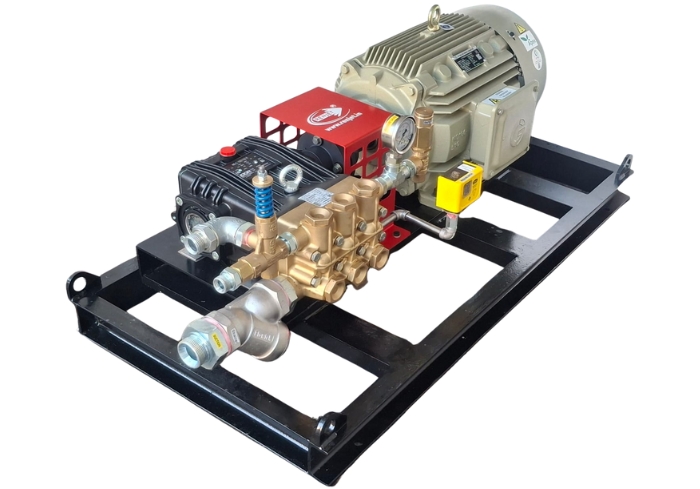
Practical habits that improve long-term performance
Routine attention keeps equipment stable even under demanding operating conditions. A few simple practices followed consistently can prevent pressure drops, overheating, and internal wear. The methods below focus on practical actions that operators and maintenance teams can apply without interrupting productivity.
Inspect operating pressure regularly
Pressure fluctuations are often the first sign that something inside the system needs attention. Monitoring readings daily helps identify unusual behaviour before it affects the entire setup.
- Check pressure gauges before starting operations.
- Compare readings with the manufacturer’s recommended range.
- Look for sudden drops or spikes during operation.
- Inspect valves and fittings if pressure becomes unstable.
- Record readings in a maintenance log for easier tracking.
Consistent monitoring also supports plunger pump maintenance by helping teams detect internal wear early instead of waiting for visible failure.
Keep seals and packing components clean
Seals are constantly exposed to moisture, heat, and abrasive particles. If dirt builds up around these areas, leakage and pressure loss become more likely.
- Wipe external surfaces after each work cycle.
- Remove residue near the sealing area carefully.
- Replace damaged packing before leakage spreads.
- Use clean tools while handling seal components.
- Avoid overtightening parts during reassembly.
A clean sealing area improves reliability and reduces the chances of contamination entering the system.
Use the right lubrication schedule
Lubrication plays a major role in reducing friction between moving components. Delayed oil changes or poor lubricant quality can shorten equipment life.
- Follow the oil grade recommended by the manufacturer.
- Check lubricant levels before long operating cycles.
- Replace contaminated oil immediately.
- Clean surrounding surfaces before refilling lubricant.
- Maintain a fixed lubrication schedule for consistency.
Teams focusing on industrial pump care often prioritise lubrication because it directly affects internal movement and temperature control.
Flush the system after heavy-duty operation
Industrial applications involving chemicals, slurry, or abrasive materials leave deposits inside the pump chamber. If these deposits remain, internal wear increases gradually.
- Flush clean water through the system after operation.
- Remove leftover particles from hoses and fittings.
- Check inlet filters for trapped debris.
- Allow the system to dry before shutdown if required.
- Inspect internal surfaces during scheduled cleaning.
This process becomes especially useful in industries where pumps operate continuously under high loads.
Monitor vibration and unusual noise
Excess vibration is usually linked to alignment issues, loose fasteners, or worn internal parts. Ignoring these signs may lead to expensive component failure.
- Listen for knocking or grinding sounds during operation.
- Tighten loose mounting bolts immediately.
- Inspect rotating components for imbalance.
- Check alignment between connected equipment.
- Stop operations temporarily if vibration increases suddenly.
Early correction prevents strain on internal assemblies and improves overall operating stability.
Replace worn valves before failure occurs
Valves control the movement of fluids under pressure. Once they begin wearing out, efficiency drops and performance becomes inconsistent.
- Inspect valve surfaces for scratches or cracks.
- Replace damaged springs immediately.
- Check for leakage around valve seats.
- Keep replacement parts available for quick servicing.
- Test system performance after valve replacement.
Planned replacement schedules help avoid emergency shutdowns and unnecessary repair expenses.
Maintain proper inlet conditions
Restricted fluid supply often causes cavitation, overheating, and unstable pressure delivery. Smooth inlet flow keeps operations balanced.
- Ensure inlet filters remain unclogged.
- Avoid sharp bends in suction lines.
- Confirm fluid levels before operation begins.
- Check hose connections for air leakage.
- Maintain recommended inlet pressure at all times.
When inlet conditions remain stable, operators usually notice better response and fewer interruptions.
Train operators on routine handling practices
Even advanced equipment can fail early if handled carelessly. Proper operator awareness improves consistency and reduces avoidable mistakes.
- Teach teams how to identify early warning signs.
- Create a simple inspection checklist for daily use.
- Explain proper startup and shutdown procedures.
- Encourage reporting of minor issues immediately.
- Schedule refresher sessions for operating staff.
Many industries reduce repair frequency simply by improving handling practices during regular operation.
Schedule preventive inspections monthly
Waiting for breakdowns often increases repair costs and production delays. Preventive inspections help identify wear patterns before operations are affected.
- Inspect hoses, fittings, and fasteners thoroughly.
- Check alignment of connected components.
- Review lubrication quality and replacement history.
- Test safety systems and pressure controls.
- Document all findings for future comparison.
A planned inspection routine also supports triplex pump servicing because technicians can identify minor wear before it affects larger assemblies.
Protect equipment during idle periods
Long periods of inactivity may lead to corrosion, residue buildup, or damaged seals. Proper storage keeps equipment ready for future use.
- Drain leftover fluid completely before storage.
- Apply protective coating if required.
- Cover exposed components from dust and moisture.
- Rotate moving parts occasionally during long storage.
- Restart equipment gradually after extended shutdown.
Storage protection becomes especially important for seasonal industrial operations.
Conclusion
Efficient maintenance depends on consistency, timely inspections, clean operating conditions, and proper handling practices. Small preventive actions often make a major difference in reducing downtime and extending equipment life. Following structured routines helps high pressure plunger pumps perform more reliably even in demanding industrial environments.