
Choosing the wrong maintenance method can lead to warped metal, environmental fines, or respiratory hazards for your crew. In the industrial sector, surface preparation accounts for up to 40% of total coating project costs, making efficiency a top priority. While traditional grit has been the standard for decades, modern water technology is quickly taking over. The debate of hydro blasting vs sand blasting often comes down to balancing raw power with the need for a dust-free and safe work environment.
Understanding the Hydro Blasting Machine
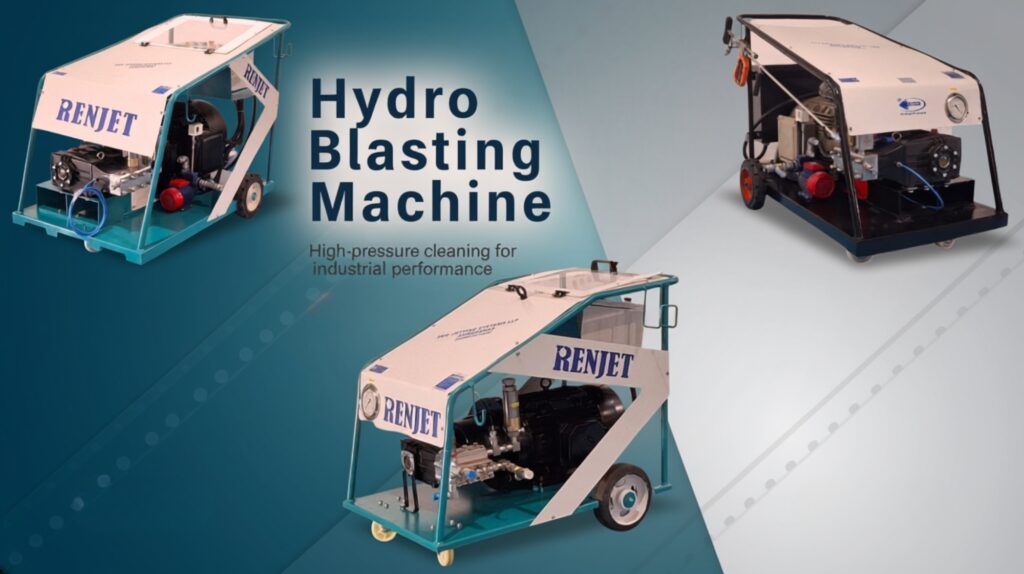
A hydro blasting machine is a high-pressure system that utilizes a stream of pure water to strip surfaces of debris. Unlike other techniques, it does not involve any solid particles or chemicals. The mechanism relies on a heavy-duty pump that accelerates water through a specialized nozzle at velocities reaching supersonic speeds. Brands like Renjet focus on engineering these systems to handle the most stubborn industrial scales by concentrating kinetic energy into a tiny, focused area.
Mechanism and Components
- High-Pressure Pump: The core unit that generates force.
- Water Inlet and Filtration: Ensures the water is free of minerals that could damage the pump seals.
- High-Pressure Hose: Specifically rated lines that carry the pressurized fluid to the gun.
- Nozzle Tips: Various shapes like fan or rotating jets to match the specific task.
Pros and Cons
The primary benefit of this system is that it creates zero dust, which is vital in urban or indoor settings. However, it can cause flash rusting on bare carbon steel if the surface is not treated or dried immediately after the process is finished.
Defining Sand Blasting Systems
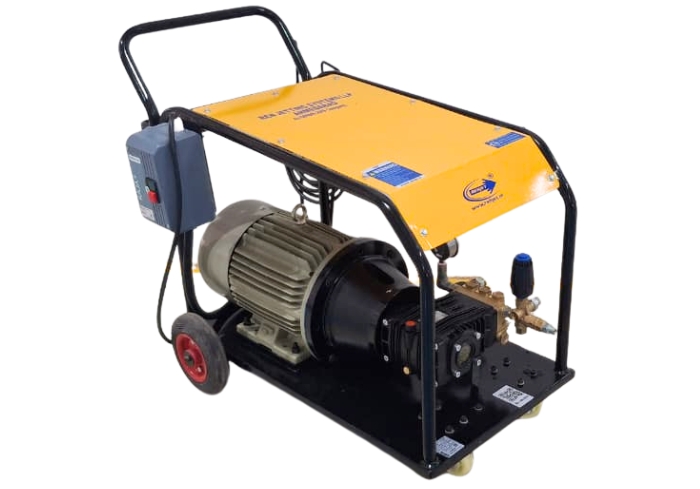
In a sandblasting comparison, it is clear that this method relies on a different physical principle. Instead of water, it uses compressed air to propel abrasive media, such as silica sand, glass beads, or steel grit, against a surface. This impact chips away at old paint and rust while simultaneously “profiling” the metal, which means it creates a rough texture that helps new paint layers stick more effectively to the base material.
Mechanism and Components
- Air Compressor: Provides the high-volume air required to move the abrasive.
- Blast Pot: A pressurized tank where the air and sand are mixed.
- Abrasive Media: The specific grit chosen based on the hardness of the surface.
- Deadman Switch: A safety trigger that stops the flow if the operator loses control.
Pros and Cons
This method is incredibly effective at removing heavy mill scale and creating a deep anchor profile. On the downside, the resulting dust cloud is a significant health risk and can damage nearby rotating equipment like bearings or motors.
Comparing Water Blasting vs Sand Blasting
When evaluating water blasting vs sand blasting, the decision usually rests on the specific site conditions. If you are working in an open shipyard where dust is not a concern, grit might be faster.
However, in a refinery or a food processing plant, the introduction of dust and debris is unacceptable. Water systems allow other trades, such as electricians or mechanics, to work right next to the cleaning operation without any safety gear, which significantly improves the overall project timeline and coordination.
Environmental Impact of Abrasive Blasting vs Water Blasting
The hidden costs of abrasive blasting vs water blasting often appear during the cleanup phase. With grit, you have to collect and dispose of tons of used, often contaminated, media. Water systems drastically reduce this waste volume. Systems designed by Renjet can often be paired with vacuum recovery tools that capture the water as it hits the surface.
This makes the entire process much more manageable and significantly reduces the logistical burden of transporting waste to a landfill. Need to upgrade your facility’s cleaning standards? Contact Renjet today to find a solution that fits your specific industrial requirements.
Efficiency in Various Industrial Cleaning Methods Comparison
In a comprehensive industrial cleaning methods comparison, the versatility of water often wins. Water can be used for more than just surface prep; it can also clean the interior of pipes or heat exchangers.
While a sand blaster is limited to line-of-sight cleaning, high-pressure water can navigate bends and curves. This multi-purpose functionality means a company only needs to invest in one type of equipment to handle a wide variety of maintenance tasks throughout the year.
Switching to Eco Friendly Blasting Methods
As regulations tighten around the world, more companies are forced to adopt eco friendly blasting methods. Using water eliminates the risk of silicosis, a deadly lung disease caused by breathing in fine sand dust.
Furthermore, because there are no chemicals involved, there is no risk of soil contamination from toxic runoff. This sustainable approach helps businesses comply with modern industrial environmental standards while also reducing the high costs associated with hazardous waste disposal and specialized ventilation systems.
Explore the latest in high-pressure technology at Renjet and discover how to make your maintenance routine safer and faster.
Effectiveness of Different Rust Removal Techniques
When it comes to rust removal techniques, water has a unique advantage known as “salt removal.” Abrasive grit can sometimes trap microscopic salt crystals into the metal’s pores, which leads to corrosion forming underneath the new paint.
High-pressure water actually dissolves and flushes these salts away. For those working in coastal area maintenance, this is a critical benefit that ensures the new coating lasts for its intended lifespan rather than peeling off within a few months due to hidden corrosion.
Comparison Table: Hydro vs. Sand Blasting
| Feature | Hydro Blasting | Sand Blasting |
| Media Used | Pure Water | Abrasive Grit (Sand, Garnet, etc.) |
| Dust Generation | None | Extremely High |
| Surface Profiling | Low to Moderate | High (Creates Anchor Pattern) |
| Safety Risk | High Pressure Hazards | Respiratory & Spark Hazards |
| Environmental Impact | Minimal (Easily Recyclable) | High (Massive Waste Volume) |
| Chemical Use | None | None |
| Indoor Use | Excellent | Poor (Requires Full Containment) |
Choosing the Right Equipment
For most modern projects, the mobile surface preparation capabilities of a water-based system outweigh the traditional grit method. Whether you are performing heavy duty paint stripping or delicate stone cleaning, the ability to adjust pressure on the fly provides a level of control that air-based systems cannot match.
Investing in high-quality industrial pump systems ensures that your team has the power to tackle any deposit while keeping the work site clean and compliant with all modern safety laws.