
Which Industries Use High Pressure Jet Cleaning Pumps?
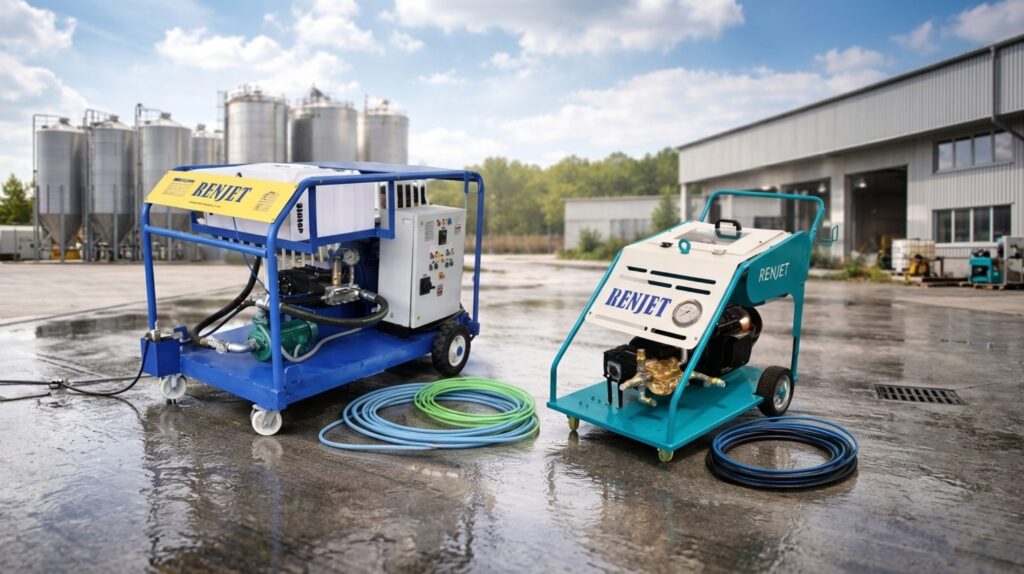
When grease buildup, stubborn residue, or production waste starts slowing operations, industries need cleaning methods that work fast without damaging equipment. That is why many sectors now depend on high pressure jet pump for cleaning solutions for daily maintenance and deep sanitation. From manufacturing plants to shipping yards, these systems help businesses save time, reduce manual labour, and maintain operational safety without interrupting productivity for long periods.
Industries That Depend on Advanced Cleaning Operations
Different industries deal with different cleaning challenges. Some need hygienic washdowns, while others handle oil sludge, chemical deposits, or hardened industrial waste. Choosing the right cleaning setup improves efficiency, reduces downtime, and protects expensive machinery.
Below are seven major industries that rely heavily on high-pressure cleaning methods and why these systems continue to be a practical investment for long-term operations.
1. Food Processing Industry
Food manufacturing facilities must maintain strict hygiene standards every single day. Production lines, storage tanks, and conveyor belts often collect grease, starch residue, and food particles that cannot be cleaned manually within limited turnaround times.
Why this industry depends on pressure-based cleaning:
- Helps maintain hygiene compliance
- Removes sticky residue from machinery
- Cleans hard-to-reach processing zones
- Reduces contamination risks
- Speeds up cleaning between production cycles
Most food plants also use industrial cleaning pumps because they allow controlled water pressure without damaging sensitive processing equipment. This makes sanitation faster while keeping operations safe for large-scale food production.
2. Automotive Manufacturing Sector
Automotive plants deal with metal dust, paint residue, lubricants, and oil accumulation throughout assembly and fabrication areas. These contaminants can affect machine performance and workplace safety if not cleaned regularly.
Benefits for automotive facilities include:
- Faster cleaning of assembly lines
- Effective degreasing of machine surfaces
- Reduced maintenance downtime
- Cleaner welding and fabrication zones
- Better worker safety conditions
Pressure-driven cleaning systems also help maintain robotic manufacturing equipment where manual cleaning becomes difficult and time-consuming.
3. Oil and Gas Industry
Refineries and drilling facilities operate in extremely demanding environments. Pipes, tanks, platforms, and processing units often accumulate sludge, scale, and hazardous deposits that require powerful cleaning methods.
Here is why the sector relies on these systems:
- Clears stubborn hydrocarbon deposits
- Helps maintain pipeline efficiency
- Supports preventive maintenance
- Reduces corrosion-related damage
- Improves operational safety during inspections
Many facilities use jet cleaning applications during shutdown maintenance because they can remove heavy buildup without dismantling major infrastructure components.
4. Marine and Shipping Industry
Ships, ports, and cargo terminals constantly face exposure to saltwater, algae buildup, rust, and industrial grime. Over time, these deposits reduce efficiency and increase maintenance expenses.
High-pressure cleaning supports marine operations by:
- Removing salt deposits from vessel surfaces
- Cleaning ship decks and engine rooms
- Preventing corrosion buildup
- Preparing surfaces for repainting
- Improving vessel maintenance turnaround
Marine operators often prefer cleaning systems that deliver strong results while using less manual effort across large cleaning areas.
5. Construction and Infrastructure Projects
Construction equipment operates in mud, concrete residue, dust, and heavy debris every day. Without regular cleaning, machines can lose efficiency and experience premature wear.
Common cleaning uses in construction include:
- Cleaning excavators and loaders
- Removing hardened cement deposits
- Maintaining drilling equipment
- Preparing surfaces before repairs
- Improving machine inspection visibility
Contractors also value systems that can be transported across project sites without complicated installation requirements.
6. Pharmaceutical Manufacturing Facilities
Pharmaceutical production demands highly controlled and contamination-free environments. Equipment cleaning must meet strict industry regulations while ensuring no residue remains after production cycles.
Why pharmaceutical facilities trust pressure cleaning systems:
- Maintains sterile processing environments
- Cleans reactors and storage vessels
- Supports validation procedures
- Removes chemical residue effectively
- Minimises production interruptions
Many facilities invest in heavy duty cleaning systems because they support both routine sanitation and deep-cleaning requirements in high-volume production environments.
7. Power Plants and Heavy Engineering Units
Power generation facilities handle ash deposits, cooling system buildup, grease, and industrial contaminants that can reduce equipment performance if ignored.
These industries benefit through:
- Improved heat exchanger maintenance
- Better turbine cleaning efficiency
- Faster boiler cleaning
- Reduced operational downtime
- Extended machinery lifespan
In many heavy engineering facilities, high pressure water jet pumps help maintenance teams clean large industrial systems without relying heavily on abrasive cleaning methods.
Why These Cleaning Methods Continue to Grow Across Industries
Industrial cleaning requirements have changed significantly over the years. Businesses no longer want slow, labour-intensive methods that interrupt production for long periods. Faster turnaround and preventive maintenance have become critical for profitability.
Modern pressure-based systems support this shift by offering:
- Better cleaning consistency
- Reduced manual labour requirements
- Lower maintenance delays
- Improved workplace safety
- Faster equipment restoration
Another reason industries continue adopting these systems is flexibility. The same setup can often handle tanks, floors, pipelines, machinery, and production surfaces with minimal adjustments.
For companies operating large facilities, maintenance efficiency directly affects operational costs. Delayed cleaning can lead to breakdowns, contamination risks, or equipment damage that becomes expensive over time.
That is why many industrial operators now include pressure cleaning within preventive maintenance schedules instead of treating cleaning as an occasional task.
Renjet India often works with industries looking for reliable cleaning performance across demanding operational environments. Choosing the right pressure and flow combination can make a major difference in long-term maintenance efficiency.
Conclusion
From food production and automotive plants to marine operations and power facilities, industries rely on advanced cleaning systems to maintain efficiency, safety, and equipment reliability. The growing demand for faster and more practical maintenance solutions continues to increase the use of high pressure jet pump for cleaning systems across multiple sectors.
Businesses that invest in the right cleaning approach often achieve better operational performance, lower downtime, and more consistent long-term maintenance outcomes using high pressure jet pump for cleaning technology.